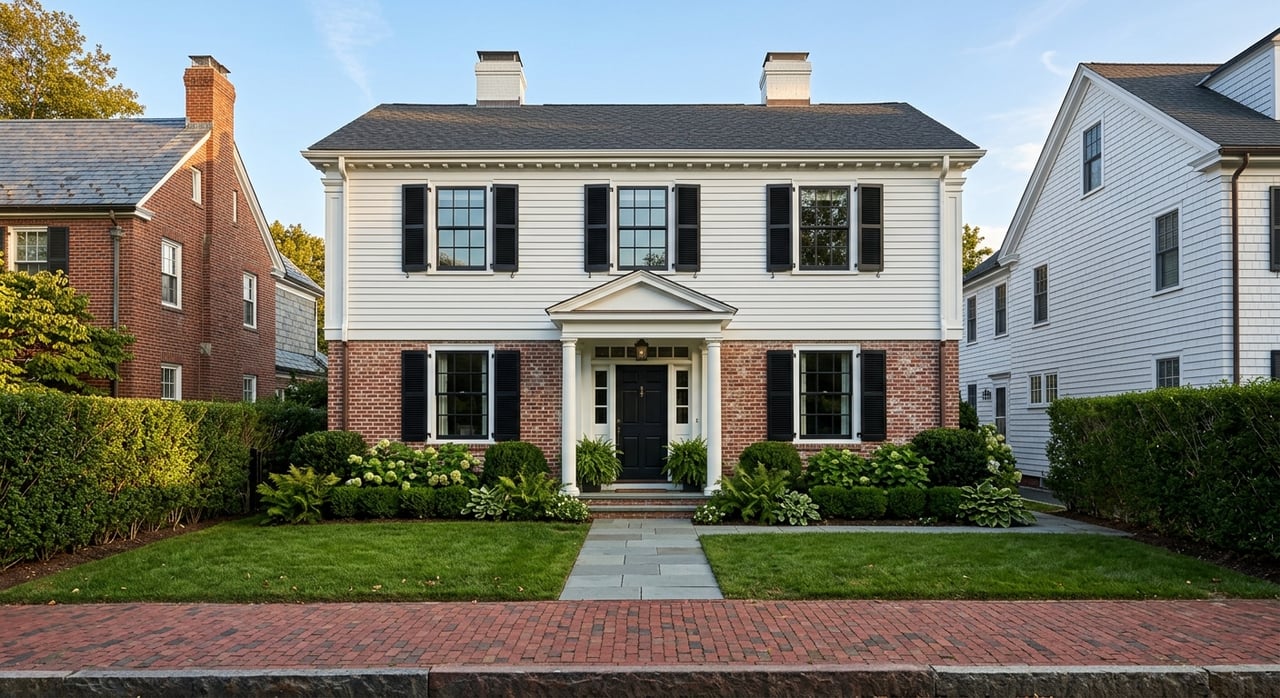
Flemington Neighborhoods And Home Styles For Buyers
June 11, 2026
June 11, 2026
Wondering where to focus your home search in Flemington? This borough can feel surprisingly varied from one block to the next, even though it is relatively compact. If you are buying here for the first time or relocating within Hunterdon County, it helps to understand how walkability, lot size, home style, and upkeep can shift quickly depending on the area. Let’s dive in.
Flemington is best understood as a compact historic core surrounded by several distinct residential and mixed-use districts. That matters because the feel of a home search here is often less about a broad neighborhood label and more about what street, block, or zoning area you are in.
The borough’s planning framework emphasizes pedestrian access, historic preservation, and revitalization of the commercial center. In practical terms, that means buyers will see a mix of historic downtown blocks, transitional residential streets, lower-density outer-ring homes, and lower-maintenance attached or multi-unit options.
Another key factor is the Historic District. According to the Borough Historic Preservation Commission, about 54% of parcels and roughly 37% of the borough’s land area are within the Historic District, and properties there are subject to Historic Preservation Commission review. If you love older architecture, that can be a real draw. If you prefer fewer property-review considerations, it is something to ask about early.
For buyers who want the most walkable setting, downtown Flemington is often the first place to explore. The DB district is the borough’s active mixed-use core, with a historic, pedestrian-friendly setting tied to shops, restaurants, artisan uses, and upper-floor dwellings.
This area is also connected to some of the places people most associate with Flemington’s energy, including Main Street and the Stangl Factory area. Local materials describe Main Street as a destination for dining, shopping, festivals, and free parking lots, which helps explain why downtown tends to feel lively and active compared with quieter residential blocks.
If you are considering housing near this area, the tradeoff is usually straightforward. You may gain convenience and a stronger sense of being close to daily activity, but you will often give up larger private yard space and a more tucked-away feel.
The downtown area and nearby historic blocks often show the richest architectural variety in the borough. Flemington’s historic-district guidelines identify styles and periods including Federal, Greek Revival, Gothic Revival, Italianate, Second Empire, Queen Anne, Shingle Style, and Industrial/Utilitarian influences.
For you as a buyer, that can mean more visual character and a less uniform streetscape. It can also mean that homes vary more in layout, age, and maintenance needs than what you might expect in a more recently developed area.
Just outside the most active downtown core, DBII along Mine and Church Streets often feels like a softer step between commercial activity and nearby residential areas. The borough describes DBII as having larger setbacks and more residential dwellings, so it can read as less intense than the core downtown blocks.
For some buyers, this is an appealing middle ground. You may still be close to the center of town while feeling a bit more removed from the busiest mixed-use stretches.
The Transition Residential, or TR, district is one of the most practical areas to watch if you want older-home character with good access to downtown. The borough’s master plan describes TR as a medium-density bridge between commercial districts and the single-family ring, with many historic homes within walking distance of Main Street and Stangl Road.
This is often where buyers find a balance between convenience and a more residential feel. Compared with the outer ring, lots may be smaller and street activity may be a bit higher, but you may gain stronger day-to-day walkability and quicker access to the borough’s commercial core.
The zoning also reflects that middle-ground role. Current code allows single-family detached homes on 9,000-square-foot lots and two-family homes at 7,500 square feet per dwelling unit, or 15,000 square feet total. Even if you are not studying zoning line by line, those standards help explain why the area can feel more compact than outer-ring single-family streets.
If your priority is more space and a calmer residential setting, Flemington’s SF district is usually the clearest fit. The borough describes SF as the lowest-density residential district and the outer ring of development.
This part of town tends to align more closely with what many buyers picture as a traditional suburban-residential setting. You are generally trading some downtown convenience for more yard space and less day-to-day foot traffic.
The borough code sets a minimum lot area of 11,250 square feet for single-family detached homes in this district. That does not define every property, but it does give you a sense of why these streets often feel more open than homes closer to the center.
The master plan notes that the SF district includes a range of detached-home styles. Buyers may see everything from historic Victorian architecture to smaller post-war houses built in the mid-1900s.
That variety is worth keeping in mind when you search. Even in the lower-density ring, Flemington is not a one-style market. You may find homes with very different levels of age, updates, and architectural detail within a relatively short distance.
Not every buyer wants a detached home and a larger yard. If lower-maintenance living is higher on your list, Flemington also includes townhouse, garden apartment, and age-restricted housing districts.
The townhouse district is planned at six units per acre and includes common open space and amenities. The garden apartment district allows multi-family housing up to 24 units per acre, while the senior citizen residential district is intended for age-restricted 55+ housing designed to reduce maintenance and housing costs.
For buyers comparing lifestyle options, these areas generally trade private outdoor space for convenience and simpler upkeep. If you travel often, want less exterior maintenance, or simply prefer a more compact living arrangement, these may be the most practical places to focus.
The Village Artisan Shopping, or VAS, district gives Flemington a different kind of mixed-use feel. Oriented to Stangl Road, Fulper Road, and Central Station, it is specifically designed to encourage walking from store to store once you arrive.
That creates more of a destination setting than a conventional neighborhood street grid. Residential dwellings and live-work units are also allowed on upper floors, which adds to the area’s mixed-use character.
If you are drawn to being near creative businesses, restaurants, and a more active street environment, this area may be especially appealing. Like downtown, though, the usual tradeoff is less yard space and a setting that feels more connected to commercial activity.
Because Flemington changes quickly from block to block, it helps to start with your lifestyle priorities instead of searching by name alone. The same borough can offer a walkable historic setting, a transitional older-home area, a quieter single-family street, or a lower-maintenance attached-home option.
A simple way to think about it is this:
This street-by-street approach is especially helpful for first-time and relocating buyers. Flemington’s compact layout means the feel of a block can shift quickly, and seeing those transitions in person can make your priorities much clearer.
When you visit homes here, try to evaluate more than the house itself. Pay attention to how close you are to the downtown core, whether the street feels more mixed-use or purely residential, and how much private outdoor space the property really offers.
It is also wise to ask whether a home is in the Historic District. Since Historic District properties are subject to Historic Preservation Commission review, that can affect how you think about future exterior changes or improvements.
Most of all, give yourself time to compare several pockets of the borough. In Flemington, two homes with similar price points can offer very different daily living experiences depending on where they sit within the borough’s historic, transitional, or lower-density pattern.
If you want help narrowing down which part of Flemington fits your goals, working with a local broker who can explain the tradeoffs street by street can make the process much easier. When you are ready to explore homes in Flemington or across Hunterdon County, Gale Sauchelli can help you evaluate the options with clear, tailored guidance.
Get assistance in determining current property value, crafting a competitive offer, writing and negotiating a contract, and much more. Contact me today.