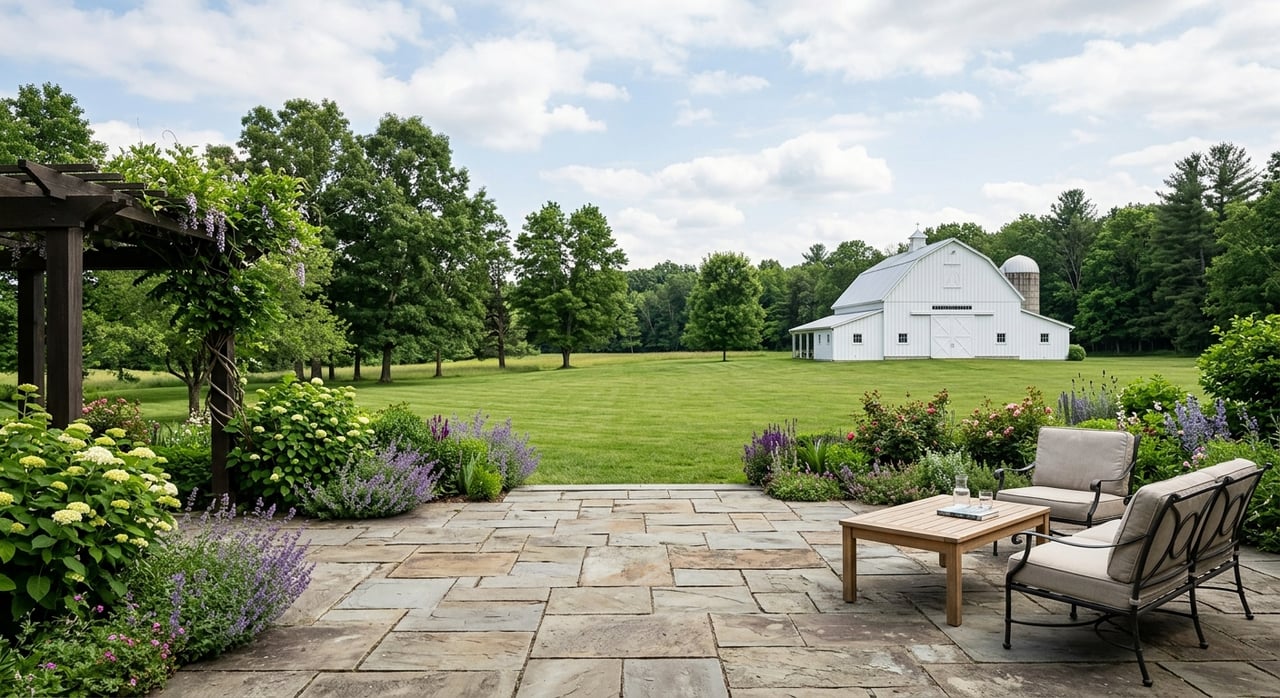
Getting Your Readington Township Acreage Ready To Sell
June 18, 2026
June 18, 2026
If you are getting ready to sell acreage in Readington Township, you are not just selling a house. You are selling land, access, function, and a way of living that buyers in this market pay close attention to. The good news is that with the right prep, you can make your property easier to understand, easier to show, and more compelling from the start. Let’s dive in.
Readington Township has a distinctly rural identity. Hunterdon County describes it as the largest township in the county, and local planning documents continue to emphasize farmland preservation, scenic viewsheds, and rural character.
That matters when you sell. Buyers looking at acreage in Readington often care about more than square footage inside the home. They also want to understand how the land works, how it has been maintained, and how the house, outbuildings, and open areas fit together.
Acreage tends to be judged as a complete property system. In simple terms, buyers want the house, land, access points, barns or sheds, and records to make sense together.
That means your preparation should go beyond cleaning the kitchen and touching up paint. You want to present the property in a way that helps buyers quickly see what is usable, what is improved, and what makes the setting valuable.
Standard curb appeal still matters. Trimming shrubs, mowing, edging, cleaning windows, clearing hoses and tools, and freshening exterior details all help create a stronger first impression.
But on acreage, first impressions extend much farther. Buyers will notice the driveway approach, parking and turnaround areas, field edges, fence lines, barn fronts, and how organized the outdoor spaces feel.
In Readington, outdoor presentation should feel intentional. A large property can feel overwhelming if the exterior looks loosely maintained or hard to read.
Your goal is to show stewardship. Even simple improvements can help buyers feel that the property has been cared for and is ready for its next owner.
The drive into the property sets the tone for the showing. Repairing obvious driveway issues, cleaning up edges, and making the arrival area neat can help the entire property feel more polished.
If you have a circular drive, gravel turnaround, or extra parking for trailers, tractors, or guests, make that space look clear and functional. Buyers should be able to see how they would move through the property without guessing.
Fence lines often communicate condition at a glance. Straighten visible fencing where possible, remove broken materials, and make sure gates open cleanly and look easy to use.
For properties with paddocks, pastures, or small farm features, visible circulation matters. Buyers will pay attention to how people, equipment, and animals could move through the property, so your layout should feel readable during photos and in person.
Outbuildings should not feel like afterthoughts. Sweep out barn aisles, organize tack or storage spaces, remove obsolete equipment, and clear the area around doors and entrances.
If you have sheds, run-ins, utility buildings, or equipment storage areas, present them as useful assets. A clean, functional outbuilding often supports the value story of the entire property.
One of the biggest questions buyers ask about acreage is simple: How much of this land is actually usable? If that answer is not obvious, buyers may undervalue what they are seeing.
You can help by making the land more legible before the listing goes live. Clear presentation reduces confusion and keeps attention on the property’s strengths.
It helps to identify which parts of the property are mowable, wooded, open, wet, shaded, or better suited for storage or other uses. Buyers of acreage often think in terms of function, not just total lot size.
If the property includes pasture space, open field, trails, woods, or a stream corridor, those features should be clearly presented in the marketing and during showings. In Readington, scenic and contiguous landscapes are part of the broader character buyers often value.
Access is a major part of acreage value. Buyers may want to know where gates are located, how equipment reaches different areas, and whether the property layout supports their intended use.
This is especially important if your property includes multiple open areas, paddocks, or outbuildings. A simple explanation of how the property flows can make the entire showing more effective.
Good preparation is not only visual. Documentation can be just as important, especially on rural and land-rich properties.
Readington’s zoning department notes that zoning permit applications require a current survey or plot plan with enough information to show compliance with township land development rules. For sellers, that makes it wise to gather key land records early.
Before your first showing, try to assemble:
Having this ready can help buyers feel more confident and reduce delays once serious interest begins.
For properties served by a private well or septic, records matter. Hunterdon County provides septic and well record retrieval tools, and the New Jersey Department of Environmental Protection states that certain private drinking-water wells are subject to the Private Well Testing Act when a property is sold or leased.
That means your well information should be easy to locate and ready to review. If you also have treatment documentation or septic maintenance history, organize that early so you are not scrambling later.
Acreage buyers often ask detailed questions, and they may ask them quickly. A one-page land fact sheet can keep your listing clear and consistent.
This does not need to be overly technical. It just needs to help buyers understand the property without having to piece everything together on their own.
A useful land fact sheet might list:
This kind of summary supports better showings because buyers can focus on fit rather than confusion.
When you know what buyers are likely to ask, you can prepare your property and your materials accordingly. In Readington, those questions often center on usability, maintenance, and land character.
The more clearly you answer those questions upfront, the easier it is for buyers to connect the dots.
Buyers may ask about slope, wet areas, sun and shade, flood zones, and how different parts of the property function. If the lot includes a mix of open and wooded land, they will usually want help understanding what each area offers.
A simple map or labeled overview can go a long way here. It helps buyers see value in the right places instead of feeling uncertain about the land.
Large properties often come with practical questions. Buyers may want to understand fencing, water access, storage, driveway maintenance, equipment areas, and how easy it is to move around the property.
If your acreage has horse or farm-style features, make those systems feel clear and organized. Buyers tend to respond well when the property shows stewardship rather than just size.
Readington’s planning priorities continue to emphasize scenic resources, farmland, forests, grasslands, and stream or river corridors. If your property includes open views, a wooded backdrop, trails, or water features, those should be treated as meaningful assets.
In other words, do not let the best parts of the land feel incidental. Make sure they are visible, understandable, and woven into the story of the property.
A well-prepared acreage listing should look good in person and make sense in photos. Buyers often make early judgments based on whether they can visualize the property as a future home and a workable piece of land.
That is why staging outdoor areas matters. Not every inch needs to be perfect, but the most visible and functional spaces should feel purposeful.
Focus first on:
These are the spaces that help buyers form a clear mental picture of the property.
Selling acreage in Readington Township is rarely about listing a large lot and hoping buyers fill in the blanks. In this market, the strongest listings show how the property functions, how it has been maintained, and why its land features matter.
When your house, land, outbuildings, access, and records all work together, your property becomes easier to trust and easier to value. If you are preparing to sell acreage, horse property, or a country home in Hunterdon County, Gale Sauchelli can help you build a thoughtful strategy that reflects the full value of your property.
Get assistance in determining current property value, crafting a competitive offer, writing and negotiating a contract, and much more. Contact me today.